
Waste Reduction
Waste Reduction
Reducing waste is a critical part of building a sustainable campus food system. At 91次元 Campus Dining, waste reduction is integrated into daily operations, facility design, and partnerships across campus.
By preventing waste before it happens and diverting what remains, Campus Dining works to minimize environmental impact while using resources responsibly.
Facilities That Support Waste Reduction
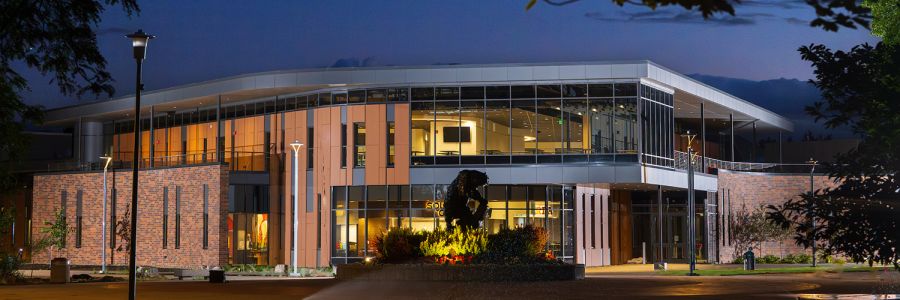
In 2024, Campus Dining transitioned from the Food Zoo to The Lodge Dining Center, a LEED Gold certified facility designed to improve efficiency and reduce waste. Since opening The Lodge, Campus Dining has served 79 percent more meals while composting, donation, and waste levels have remained consistent.
This improvement reflects both the thoughtful design of the new dining hall and the diligence of Campus Dining staff. The micro-restaurant model allows for leaner production, fresher food, and better control over portions and inventory.
Rescuing Food and Supporting Students
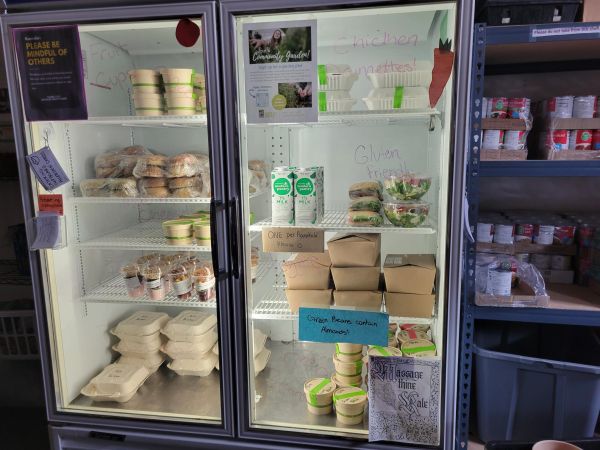
Campus Dining partners with the UM Bear Necessities Program to repurpose leftover food from retail operations and catered events. Instead of being wasted, this food is redirected to the UM Food Pantry, helping support students experiencing food insecurity.
In the first partial year of the program in 2024, more than 4,000 pounds of food were recovered and distributed to students. This partnership places nutritious food directly into the hands of those who need it most.
Composting as a Daily Practice
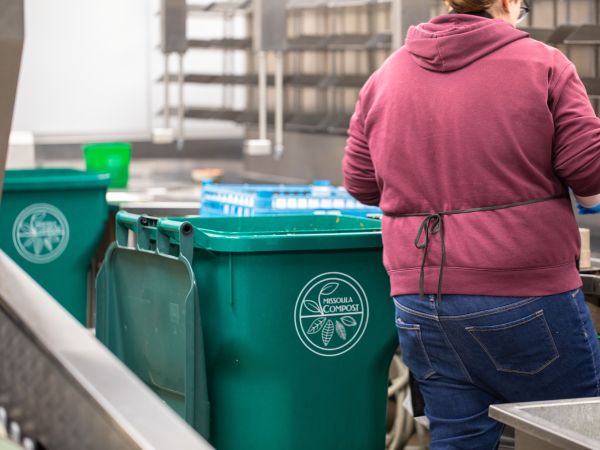
Campus Dining composts food scraps from all kitchen operations, as well as nearly all post-consumer waste from The Lodge Dining Center. Rather than sending food waste to the landfill, composting allows organic materials to be returned to the soil.
Retail dining locations support composting by offering zero-waste stations instead of standalone trash bins. Compostable packaging, napkins, and straws help ensure that waste is properly sorted and diverted.
Always Looking for Better Solutions
Waste reduction is an ongoing process. Campus Dining continually evaluates operations, packaging choices, and service models to identify new opportunities to reduce waste and improve efficiency.
Through staff training, facility upgrades, and campus partnerships, Campus Dining remains committed to finding practical, scalable solutions that make a measurable difference.
By reducing waste, Campus Dining helps protect natural resources, lower emissions, and support a healthier campus environment. These efforts demonstrate how thoughtful foodservice operations can create meaningful environmental impact every day.