Campus Agricutlure
Campus Agriculture
Agriculture is the foundation of a sustainable food system. At 91次元 Campus Dining, we grow food with intention, using practices that build healthy soil, support biodiversity, and create meaningful learning opportunities for students.
Our campus agriculture program connects food production directly to dining operations, education, and ecological stewardship.
Flowers With a Purpose
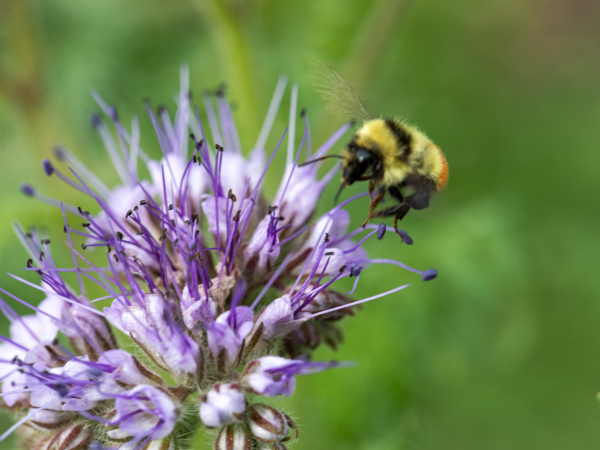
In addition to food crops, Campus Dining grows regeneratively managed flowers that support pollinators and enhance campus spaces. Hundreds of bouquets are supplied to Campus Dining operations each year.
By growing our own flowers, we reduce reliance on an industry that often carries significant environmental and social impacts. Dried garden flowers are also used at Catering events throughout the winter, reducing the need for imported fresh flowers while extending the life of each harvest.
Just the Facts
3
Rhubarb, Marigold, and Marjoram laid 212 eggs last year that were found in specials all over our operations
338#
Grown year round in the Lodge Dining Center. Find them on the Beargrass salad bar and in Grab N Go at the Food Court and Market.
4,567#
Grown in just ½ acre in the Iron Griz Garden in 2025, with the help of dedicated students and staff
764
Bringing color to Catering events, The Market, Residence Halls, and offices across campus
Building Healthy Soil and Ecosystems
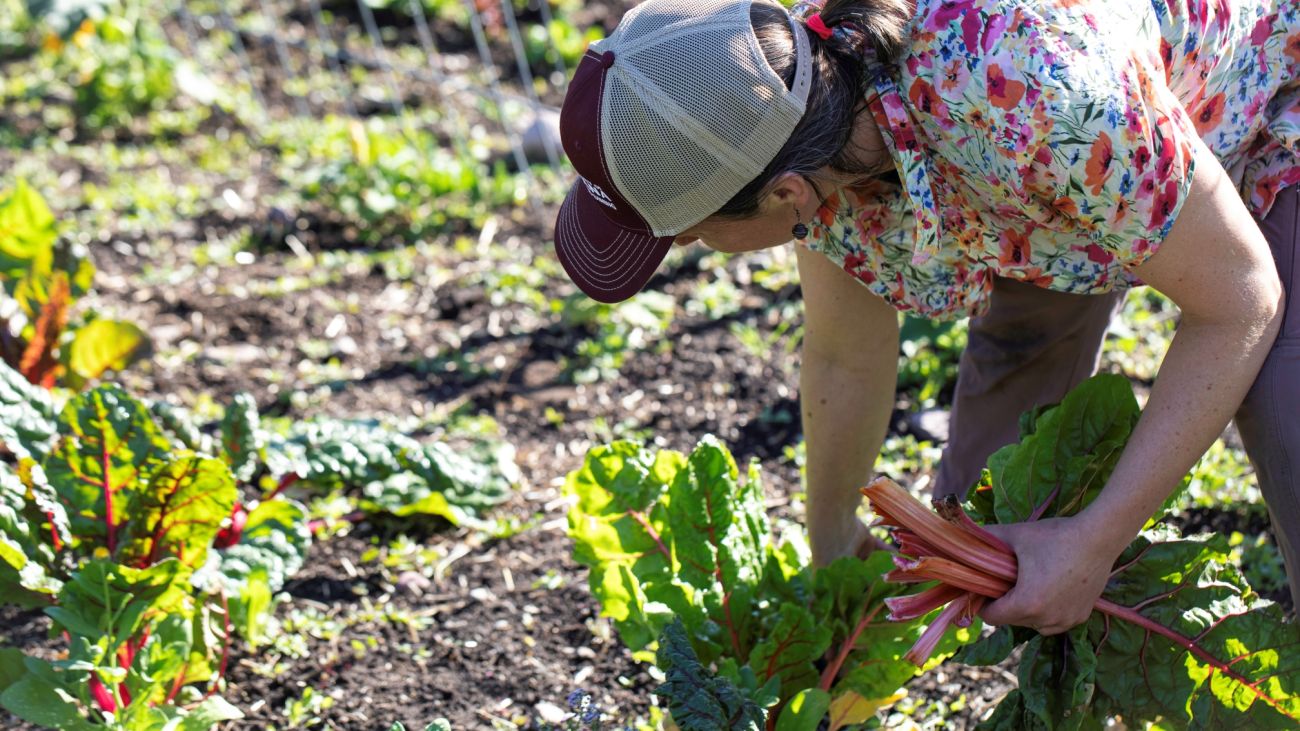
The Campus Dining Garden is managed using practices that prioritize long-term soil health and ecosystem resilience. By focusing on diversity, soil building, and regenerative methods, the garden supports productive harvests while minimizing environmental impact.
These practices ensure that campus-grown food is produced responsibly while modeling sustainable agriculture in action.
Campus Agriculture
We not only serve great food, we grow it, too. Together, these provide thousands of pounds of fresh food to our dining centers each year, and function as learning laboratories for students and visitors. Our agricultural programs are working models of sustainable systems, where diverse production practices are used to grow high-quality produce, healthy soils and happy ducks.
-

Ducks
Meet Rhubarb, Marigold, and Marjoram, Campus Dining’s three French muscovy ducks who make their home at the Iron Griz Garden on South Avenue. These friendly, industrious residents play a vital role by eating bugs and grubs in the garden.
-

Migrogreens
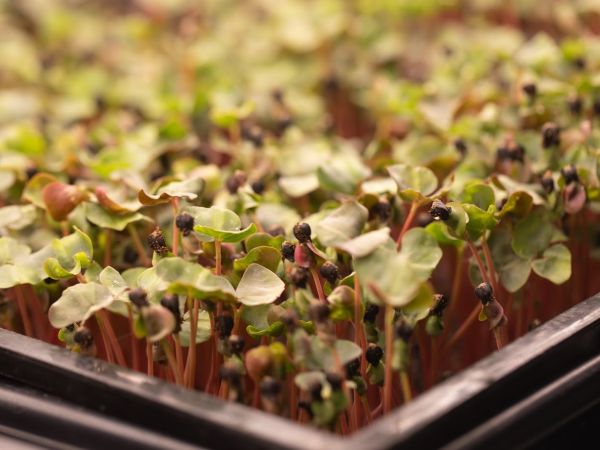
Springing forth beneath fluorescent grow lights outside the Food Zoo dining room, thousands of tiny sprouts make their way to our restaurants and salad bars. Campus Dining grows hundreds of pounds of these nutritionally power-packed greens every year. Try them heaped on a sandwich or as a garnish for soup.
-

Bees
Nothing complements a garden like a hive of honey bees. On top of providing pollination for our crops, these busy bees are kind enough to make extra honey for us to use in our locations.
-

Iron Griz Garden
The Iron Griz Garden on South Avenue provides UMCD a half-acre of growing space for 90 varieties of fruits and veggies, a small orchard, and plenty of opportunities for students and the community to get their hands dirty.
Ducks
Meet Rhubarb, Marigold, and Marjoram, Campus Dining’s three French muscovy ducks who make their home at the Iron Griz Garden on South Avenue. These friendly, industrious residents play a vital role by eating bugs and grubs in the garden.
Migrogreens
Springing forth beneath fluorescent grow lights outside the Food Zoo dining room, thousands of tiny sprouts make their way to our restaurants and salad bars. Campus Dining grows hundreds of pounds of these nutritionally power-packed greens every year. Try them heaped on a sandwich or as a garnish for soup.
Bees
Nothing complements a garden like a hive of honey bees. On top of providing pollination for our crops, these busy bees are kind enough to make extra honey for us to use in our locations.
Iron Griz Garden
The Iron Griz Garden on South Avenue provides UMCD a half-acre of growing space for 90 varieties of fruits and veggies, a small orchard, and plenty of opportunities for students and the community to get their hands dirty.
Growing Beyond the Season
Sustainability does not stop when the growing season ends. Year-round, Campus Dining grows microgreens under fluorescent grow lights located inside The Lodge Dining Center.
Hundreds of pounds of microgreens are harvested annually and regularly featured on salad bars and in prepared dishes. These nutrient-dense greens add flavor, freshness, and visual appeal while demonstrating innovative approaches to local food production.
Life of a Carrot
Student Opportunities in the Garden
The Campus Dining Garden offers internship, employment, and volunteer opportunities every semester. Students gain hands-on experience in sustainable agriculture, food production, and environmental stewardship.
Those interested in getting involved are encouraged to contact UMCDGarden@umontana.edu to learn more about current opportunities.
By growing food on campus, Campus Dining strengthens the connection between land, learning, and nourishment. Our agricultural efforts demonstrate how thoughtful stewardship can support both people and the planet.