Committed to sustainability
Building a Better Food System at UM
Sustainability is central to how Campus Dining serves the 91次元. From the food we purchase to the way we prepare meals, reduce waste, and educate students, sustainability is embedded in daily operations across campus.
This page provides an overview of our sustainability commitments and highlights the key areas where Campus Dining is making a measurable impact. Each section below offers a snapshot, with opportunities to explore more detailed information.
Mission
We practice sustainability daily through research, outreach, and innovation.
Vision
We aim to fulfill today's campus needs by reducing harm, supporting our community, and forging connections, all without compromising the ability of future generations to do the same.
Guiding Principles
Campus Dining is committed to limiting our impact on the environment. We have a responsibility to look critically at how our campus impacts our community and the environment and to invest in strategies that mitigate harmful outcomes through sustainability initiatives.
To us, sustainability means that our business choices are community-based, ecologically sound, socially just and economically viable. Central to our goal of sustainability is purchasing locally and sustainably produced goods, conserving water and energy, reducing and diverting waste, educating our community, and collaborating with campus and community partners.
Sustainable Purchasing
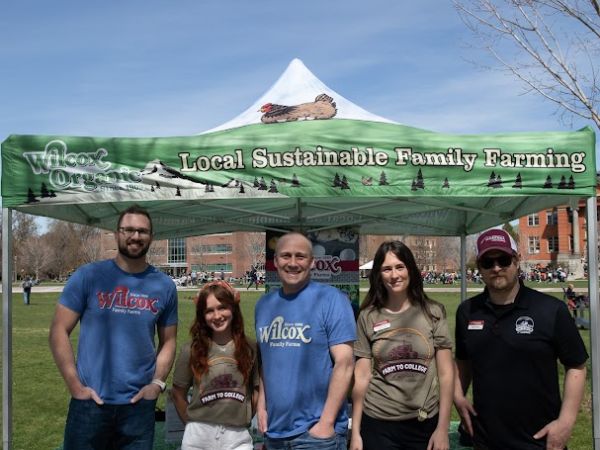
Campus Dining uses purchasing as a tool for positive change. Through our nationally recognized Farm to College program, we prioritize transparency, ethical production, and strong relationships with local, regional, and values-aligned producers. Our purchasing decisions support environmental stewardship, resilient supply chains, and Montana’s food economy.
Culinary Innovation and Menus
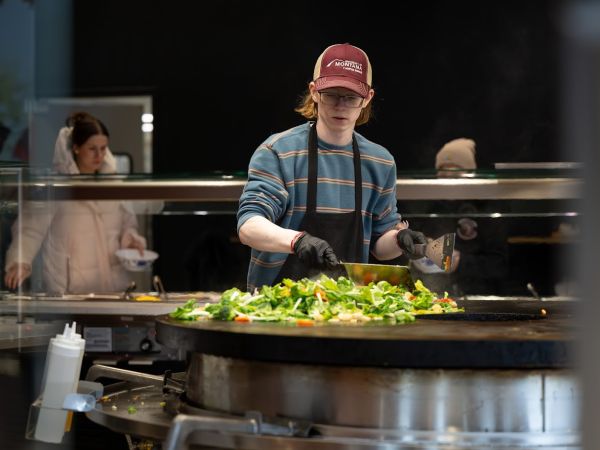
Sustainability shows up in what students eat every day. Campus Dining menus are built around seasonal availability, Montana-grown ingredients, and collaboration between chefs, campus growers, and local producers. This approach connects daily meals to the food system that supports them.
Campus Agriculture
We not only serve great food, we grow it, too. Together, these provide thousands of pounds of fresh food to our dining centers each year, and function as learning laboratories for students and visitors. Our agricultural programs are working models of sustainable systems, where diverse production practices are used to grow high-quality produce, healthy soils and happy ducks.
-

Ducks
Meet Rhubarb, Marigold, and Marjoram, Campus Dining’s three French muscovy ducks who make their home at the Iron Griz Garden on South Avenue. These friendly, industrious residents play a vital role by eating bugs and grubs in the garden.
-

Migrogreens
Springing forth beneath fluorescent grow lights outside the Food Zoo dining room, thousands of tiny sprouts make their way to our restaurants and salad bars. Campus Dining grows hundreds of pounds of these nutritionally power-packed greens every year. Try them heaped on a sandwich or as a garnish for soup.
-

Bees
Nothing complements a garden like a hive of honey bees. On top of providing pollination for our crops, these busy bees are kind enough to make extra honey for us to use in our locations.
-

Iron Griz Garden
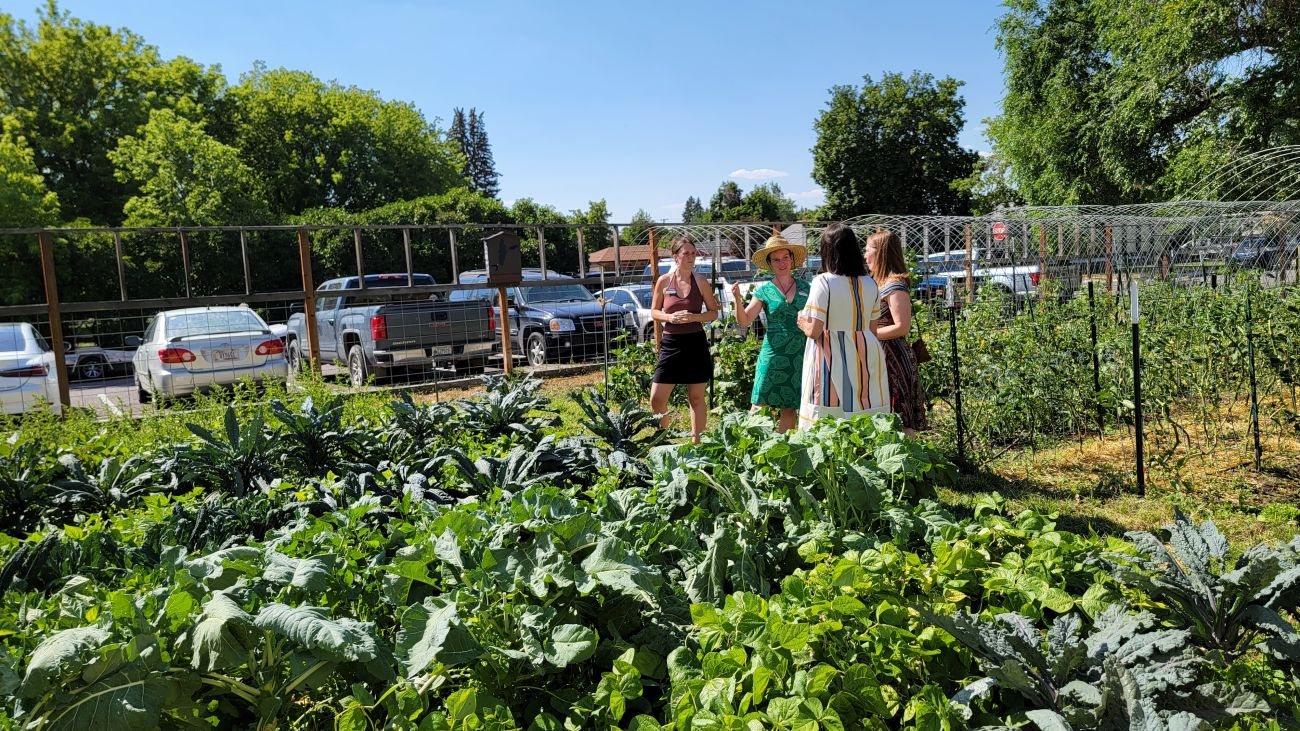
The Iron Griz Garden on South Avenue provides UMCD a half-acre of growing space for 90 varieties of fruits and veggies, a small orchard, and plenty of opportunities for students and the community to get their hands dirty.
Ducks
Meet Rhubarb, Marigold, and Marjoram, Campus Dining’s three French muscovy ducks who make their home at the Iron Griz Garden on South Avenue. These friendly, industrious residents play a vital role by eating bugs and grubs in the garden.
Migrogreens
Springing forth beneath fluorescent grow lights outside the Food Zoo dining room, thousands of tiny sprouts make their way to our restaurants and salad bars. Campus Dining grows hundreds of pounds of these nutritionally power-packed greens every year. Try them heaped on a sandwich or as a garnish for soup.
Bees
Nothing complements a garden like a hive of honey bees. On top of providing pollination for our crops, these busy bees are kind enough to make extra honey for us to use in our locations.
Iron Griz Garden
The Iron Griz Garden on South Avenue provides UMCD a half-acre of growing space for 90 varieties of fruits and veggies, a small orchard, and plenty of opportunities for students and the community to get their hands dirty.
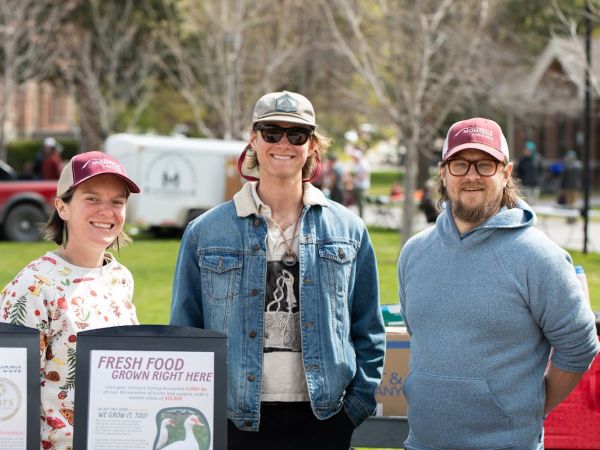
Education and Outreach
Campus Dining supports food system education through internships, student employment, academic partnerships, and campus-wide outreach. These opportunities help students connect classroom learning with real-world experience. Education and collaboration are core to how we advance sustainability on campus and beyond.
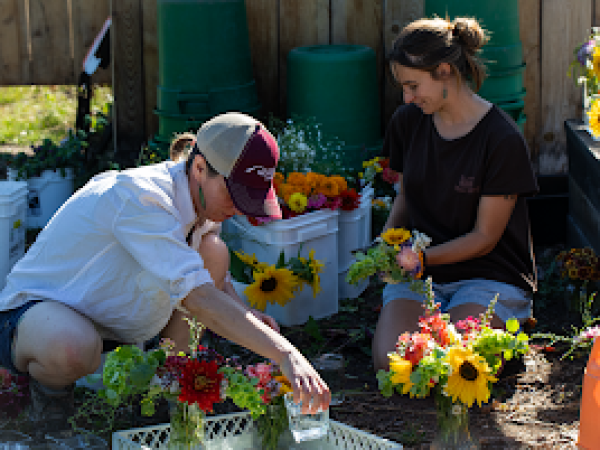
Agriculture
Campus Dining operates on-campus agricultural spaces that support sustainable growing practices, student learning, and dining operations. From food crops and flowers to pollinator habitat and year-round microgreens, campus agriculture plays a vital role in sustainability. These spaces demonstrate the connection between land, food, and stewardship.
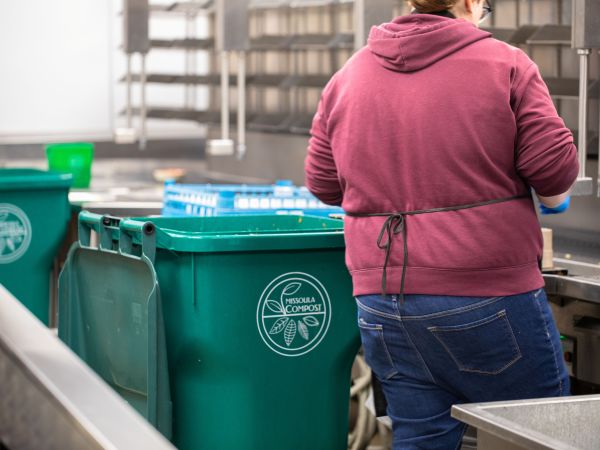
Waste Reduction
Reducing waste is essential to a sustainable food system. Campus Dining integrates waste reduction into facility design, daily operations, and campus partnerships. Through composting, zero-waste dining practices, food recovery, and continuous improvement, we work to minimize environmental impact.
Local Vendor Highlights

KOP Beef
Turah, MT
Campus Dining partners with local ranchers Doug and Dana Kopp to purchase the beef used in our restaurants and dining hall. Located in Turah, KOP Beef’s grassfed cattle are hormone- and antibiotic-free and humanely raised less than 11 miles outside Missoula. Their diet is supplemented with the spent grain from KettleHouse Brewery. The beef is then processed locally at Lolo Locker. It’s a win-win-win!

Headquartered in Missoula, Montana, Western Montana Growers Cooperative (WMGC) is a coalition of growers in the Flathead, Jocko, Mission and Bitterroot Valleys whose goal is to provide our region with fresh, quality products from area farms. Campus Dining purchases a variety of fresh fruits, vegetables, legumes, mushrooms, meats, and cheeses from WMGC every week. The co-op is our primary connection to local, sustainably produced, organic produce. WMGC simplifies the process for us as a large foodservice outlet and allows us to purchase more local food than we could otherwise source ourselves.

Missoula, MT
Black Coffee Roasting Company sources certified fair trade and certified organic coffee from all over the globe. They roast it locally in an ultra-efficient Loring roaster. All of their coffee is packaged in recycled biodegradable bags. Here at Campus Dining, we can’t seem to get enough of their delicious roasts and blends.

Missoula, MT
We love supporting female-owned and operated businesses. Bernice’s Bakery has been a Missoula gem since 1978. We purchase a variety of scratch-baked goods and love that this business puts good food and community at the forefront of everything they do.

Hamilton, MT
Campus Dining supports innovative agricultural practices. Local Bounti is a hyperlocal company doing just this. Local Bounti grows a variety of green leafy vegetables using efficient hydroponic growing systems. The company uses 90% less water and 90% less land than traditional agriculture. There is no need for herbicide and pesticide. Their sustainable, root-on, living product results in less environmental impacts, carbon footprint, and less waste.

Missoula, MT
Cool Earth Creamery is a unique business to have right in our backyard. Cool Earth Creamery built the infrastructure to turn locally grown, organic crops into delicious, nutritious plant-based milks right here in Missoula, MT. Even better, Cool Earth takes a stand against unnecessary packaging and waste. The company uses only reusable packaging. Campus Dining returns all plant-based milk containers back to Cool Earth to be washed, refilled, and used again.

Questions About Sustainability?
Campus Dining’s sustainability work is collaborative and always evolving. If you have questions, ideas, or would like to learn more about our programs, we would love to hear from you.
Contact the Campus Dining Sustainability Committee at
UMCDSustainabilityCommittee@mso.umt.edu to start the conversation.