About SPARK

Formerly the REACH program, SPARK's mission is to work upstream to get middle and high school students interested in STEM so that they may shrink the gap in the public health workforce, particularly in rural communities that are feeling this impact the most. SPARK will be the active force standing behind public health to create a prosperous future for health departments and tribal health centers.
-
- The Students Participating in Air Research & Knowledge Translation (SPARK) program builds upon the Research on Air and Cardiovascular Health (REACH) program, supported by Science Education Partnership Award (SEPA) funding since 2005.
- The SPARK program works with middle and high school students in primarily rural areas of Montana, Alaska, Idaho and Hawaii.
- Using an open inquiry format, while addressing the Next Generation Science Standards (NGSS), SPARK was developed in consultation with a core group of teachers and environmental health professionals.
- SPARK will engage students in rural areas to become immersed in science methods through rigorous research projects focused on the health impacts of wildfire smoke exposure and public health.
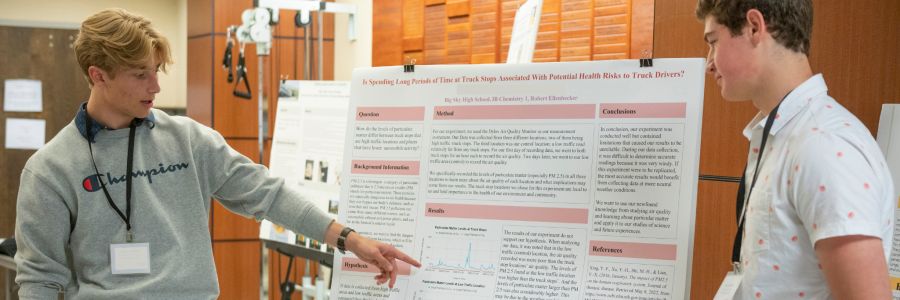
- Teachers will integrate new curriculum and novel, wearable PM2.5 monitors into their science classes, enabling students to design their own research projects, collect data, analyze results, and present their findings in public settings.
- Students will engage in activities related to citizen science and science communication while teachers will be actively engaged through a variety of professional development opportunities.
Participating Schools
