Population Monitoring
Our long-term monitoring programs track bird populations over time, providing important insights into status and trends in a rapidly changing world. This work is highly collaborative: by utilizing standardized monitoring techniques and contributing to shared databases, we leverage existing data to broaden the context of our findings, while contributing to national monitoring efforts.
 Large-scale Survey Techniques
We monitor breeding bird communities in a variety of habitats in western Montana. Since 2004, we have conducted count-based surveys of breeding birds in floodplain riparian areas across 500 miles of the Madison and Missouri Rivers.
Mark-recapture Techniques
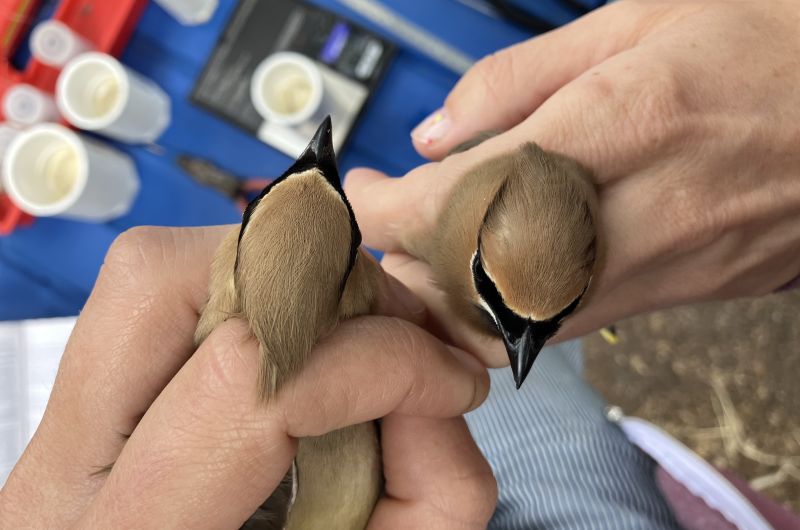
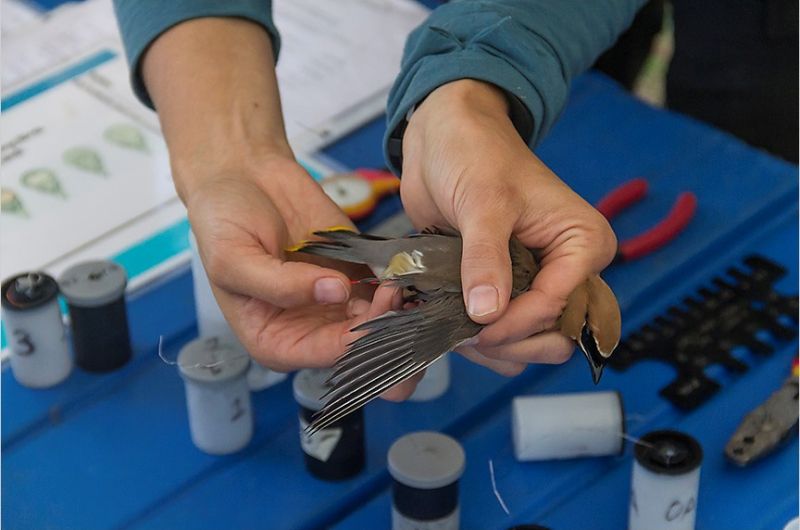
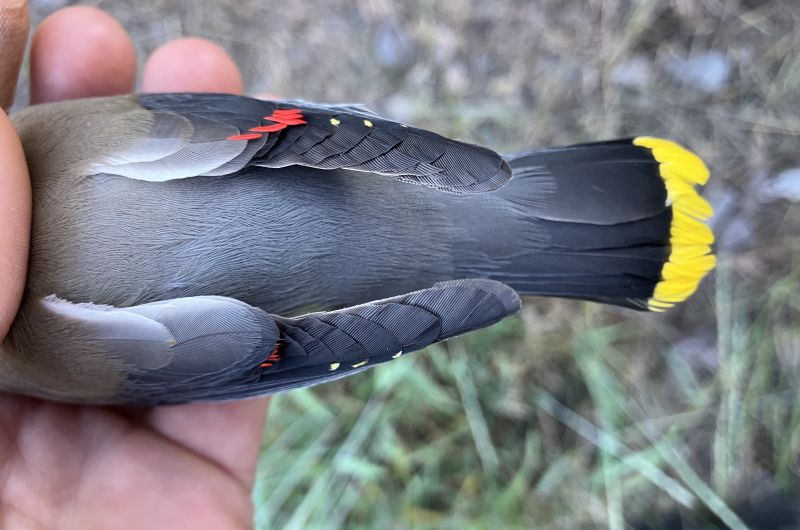
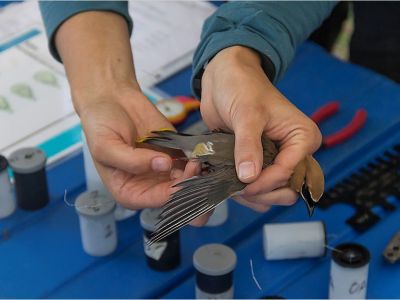
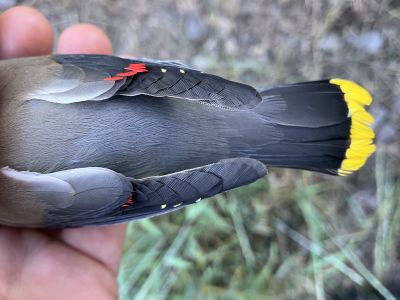
Through our banding stations, we collect important demographic information for breeding birds across western Montana as part of a national program called MAPS (). As part of the MAPS program, we band passerine species to collect data at the individual level. A bird's age, sex, body and reproductive condition are crucial data points that can only be determined through methods like banding, and allow us to make different inferences about populations at large.
Captured birds are given a lightweight, uniquely numbered aluminum leg band issued by the federal government and released unharmed. Subsequent recapture data provide information on survival, reproductive rates, and sometimes, movement patterns.