Migration
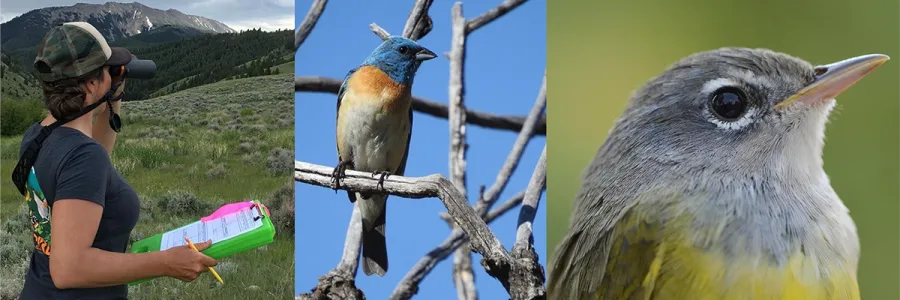
Each year, millions of birds travel south from summer breeding areas in North America to winter throughout the neotropics. Along their route, migrating birds face an increasingly complex range of threats, including development pressures, invasive species, avian diseases, and a changing climate. Although migratory strategies are historically not well understood -- particularly for small songbirds, it is critical for effective land management that we understand how these threats affect migratory processes.

Tracking Bird Migration
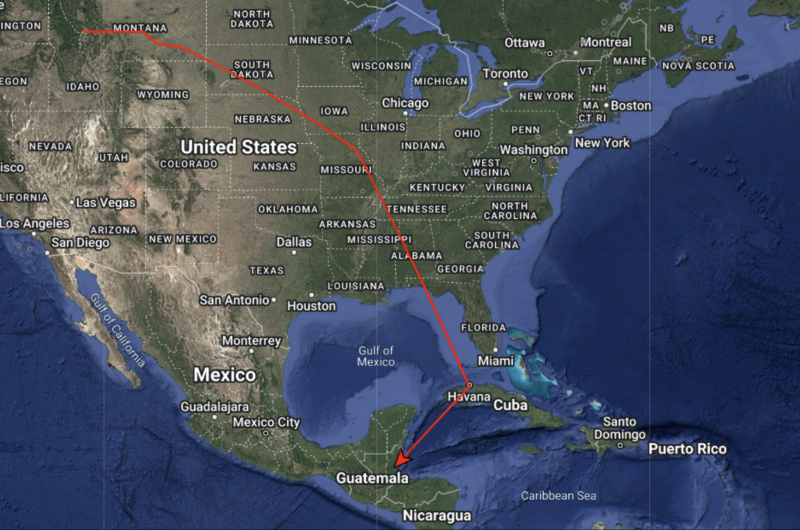
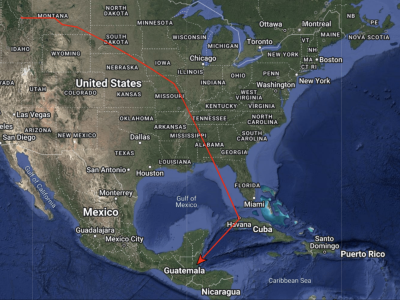
More recently, tiny, cutting-edge tracking devices can be used on smaller songbirds. In 2012, UMBEL began investigating where Gray Catbirds, who breed in Montana, spend the winter and how they get there. In 2021, UMBEL Research Director Megan Fylling published a paper in the journal Movement Ecology with a team from UBC Okanangan and MPG Ranch about migratory Gray Catbird movement, which illustrated how catbirds from our region over-winter along the Gulf coast in an area distinct from more mid-western and easterly populations.
We also tag a variety of other species, including grassland songbirds and a long-distance migrant, the Swainson's Thrush. We have tagged 70 Swainson's Thrushes since 2019, with detections as far south as Colombia. More about our tagging work can be found on the publications and reports page of our website.




Fall Migration & Banding
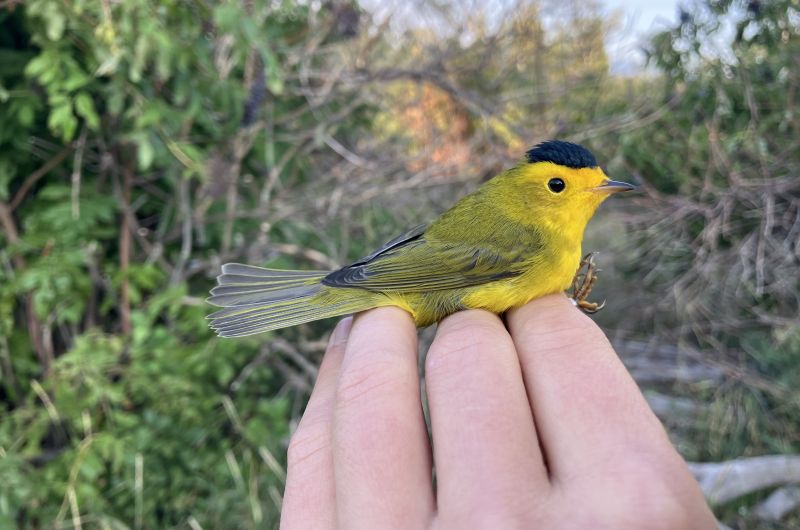
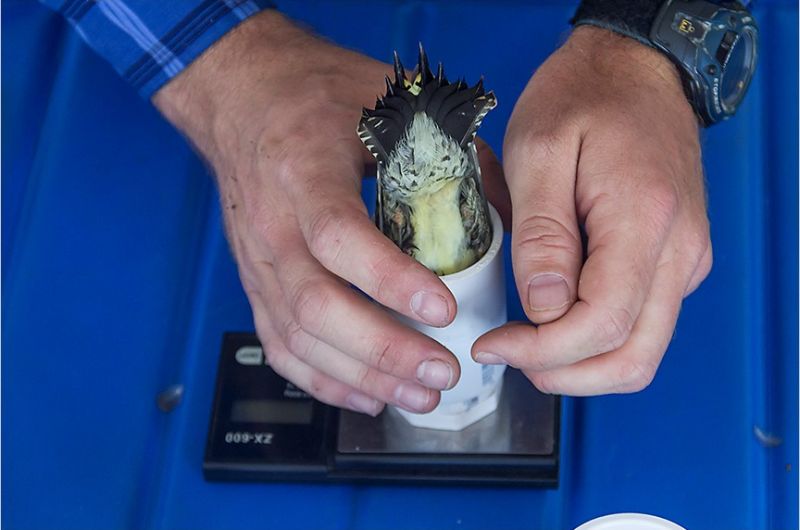
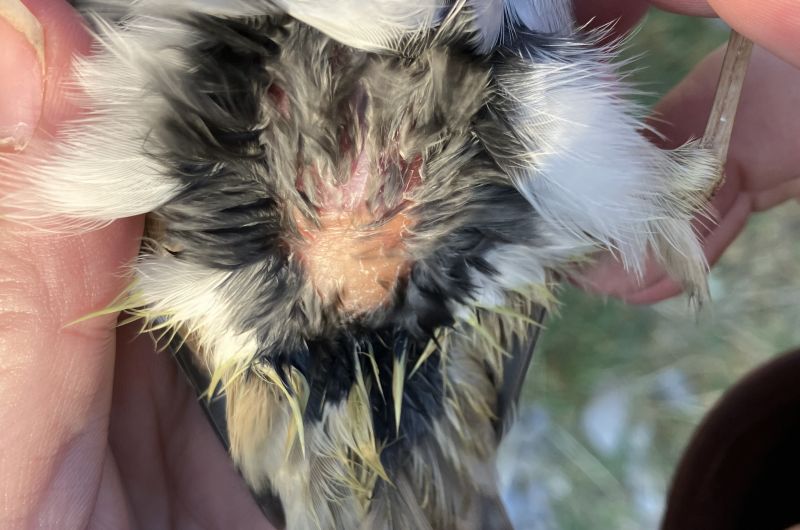
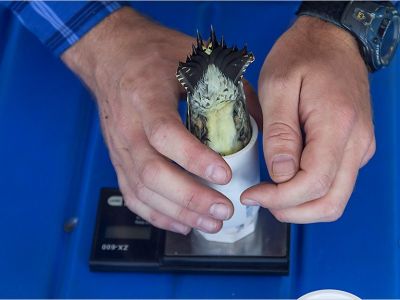
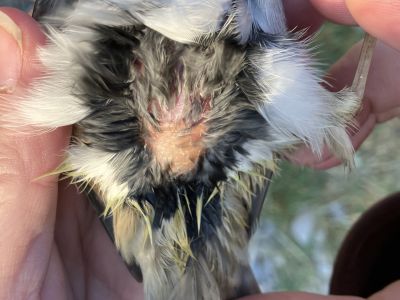
To further investigate migratory patterns in songbirds, we also run a fall migration banding station in the Bitterroot Valley on MPG Ranch. We began banding on MPG in 2011 to investigate phenology, species composition, molt patterns, and abundance of migrant passerines in different habitats. We are fortunate to partner with from the 91次元 to more closely examine the relationship between body condition and migration.